Tuna Fish Recall: What You Need To Know And How To Stay Safe - Prolonged exposure to high levels of mercury can affect the nervous system, particularly in developing fetuses and young children. Staying informed and proactive during a recall can help mitigate potential risks.
Prolonged exposure to high levels of mercury can affect the nervous system, particularly in developing fetuses and young children.
Staying informed about tuna fish recalls is vital for consumer safety. Here are some reliable sources to consult:
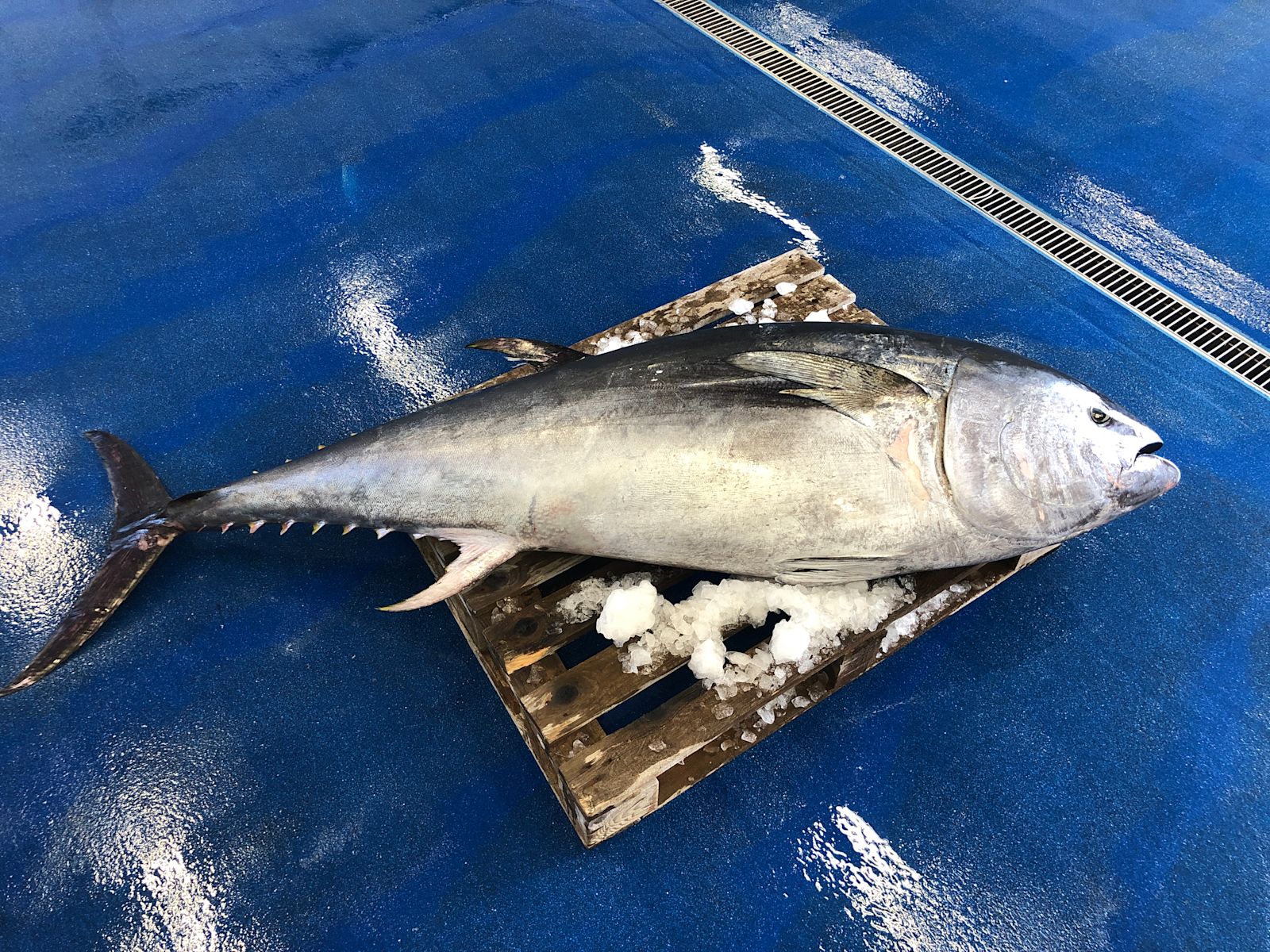
200kg Atlantic bluefin tuna caught in South West waters for first time
Regulatory bodies play a pivotal role in ensuring food safety and responding to tuna fish recalls. In the U.S., the FDA and USDA (United States Department of Agriculture) collaborate to monitor and enforce food safety standards. Internationally, organizations like the WHO (World Health Organization) and FAO (Food and Agriculture Organization) provide guidelines and support for food safety initiatives.

Tuna is one of the most consumed fish globally, prized for its rich flavor, versatility, and health benefits. However, the increasing frequency of tuna fish recalls has raised questions about the safety of this popular seafood. Understanding the reasons behind these recalls and learning how to respond can help you make better-informed decisions about the food you consume.
Consuming contaminated tuna can lead to a range of health issues, depending on the type of contamination. Below are some of the most common risks:
Prevention is key to avoiding the adverse effects of contaminated tuna. Here are some practical tips:
Recognizing signs of contamination is critical for consumer safety. While some issues, like microbial contamination, may not be visible, there are certain indicators to watch out for:
Regularly checking for recall notices and adhering to safe storage practices can further minimize risks.
In recent years, tuna fish recall incidents have become a growing concern for consumers worldwide. Whether it's due to contamination, improper handling, or mislabeling, these recalls highlight the importance of understanding food safety. As a consumer, it's crucial to stay informed about the latest developments in tuna recalls and take necessary precautions to protect yourself and your family.
Infections caused by bacteria like Salmonella and Listeria can result in symptoms such as nausea, vomiting, and diarrhea. Severe cases may require hospitalization.
Mercury contamination is a well-documented issue in tuna, particularly in larger species like albacore. Excessive mercury exposure can lead to neurological damage and other health complications.